Story
Two Kitchens and a Club
Everything I know about shipping under pressure, I learned at a pass first.
So it’s a Saturday night on Park Avenue in Winter Park, and I’m carrying a sheet tray between two kitchens. I’m walking fast, trying to look like I’m not.
I was cooking at BOCA and Atlantic Oyster Bar, both under the same Michelin-star chef. Working at both meant keeping up with two menus and two lines at once. On a Saturday, that got pretty crazy.
In a kitchen like that, nobody really yells the way people think they do. You’d know something was off just from the chef looking at a plate for half a second longer than necessary. Honestly, most of the job was consistency. However late it got, each plate still had to look like the one before it.
Before that, a club
The year before Park Avenue, I’d started a culinary club on campus. There was a kitchen and equipment, but the program they belonged to had pretty much fallen apart. Nobody was really using any of it or running it, so I just started running it.
I remember going into the first meeting thinking maybe fifteen people would show up. Way more than that came, and a lot of them had never really held a chef’s knife. So we spent the whole first session on knife basics: how to hold it, how to curl your fingers, and how to cut an onion without crying or losing a fingertip. Honestly, that’s about half of cooking.
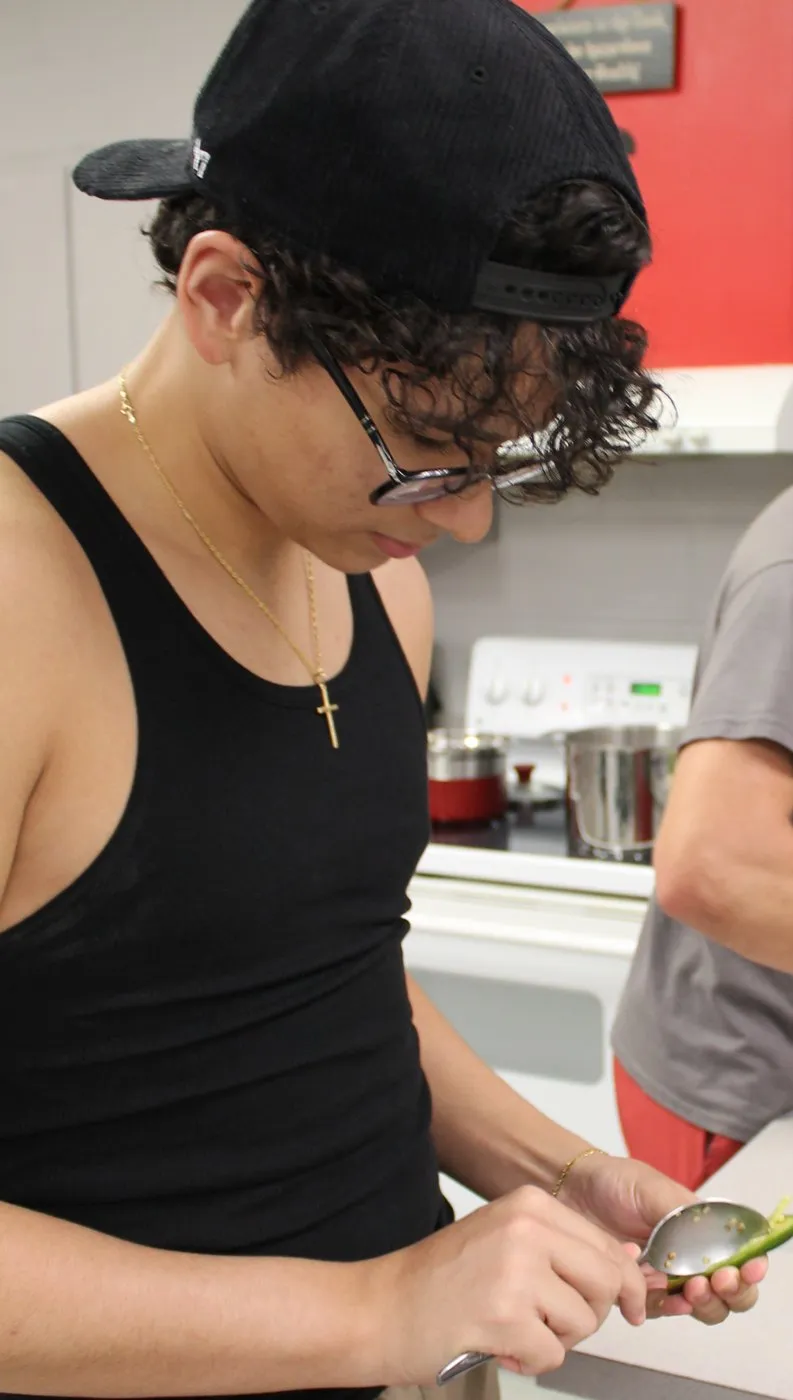
Seeding jalapeños with a spoon. It's faster than it looks.
The club grew fast. By the end, it was the largest non-academic club on campus. We had 100+ members and were competing as a team.
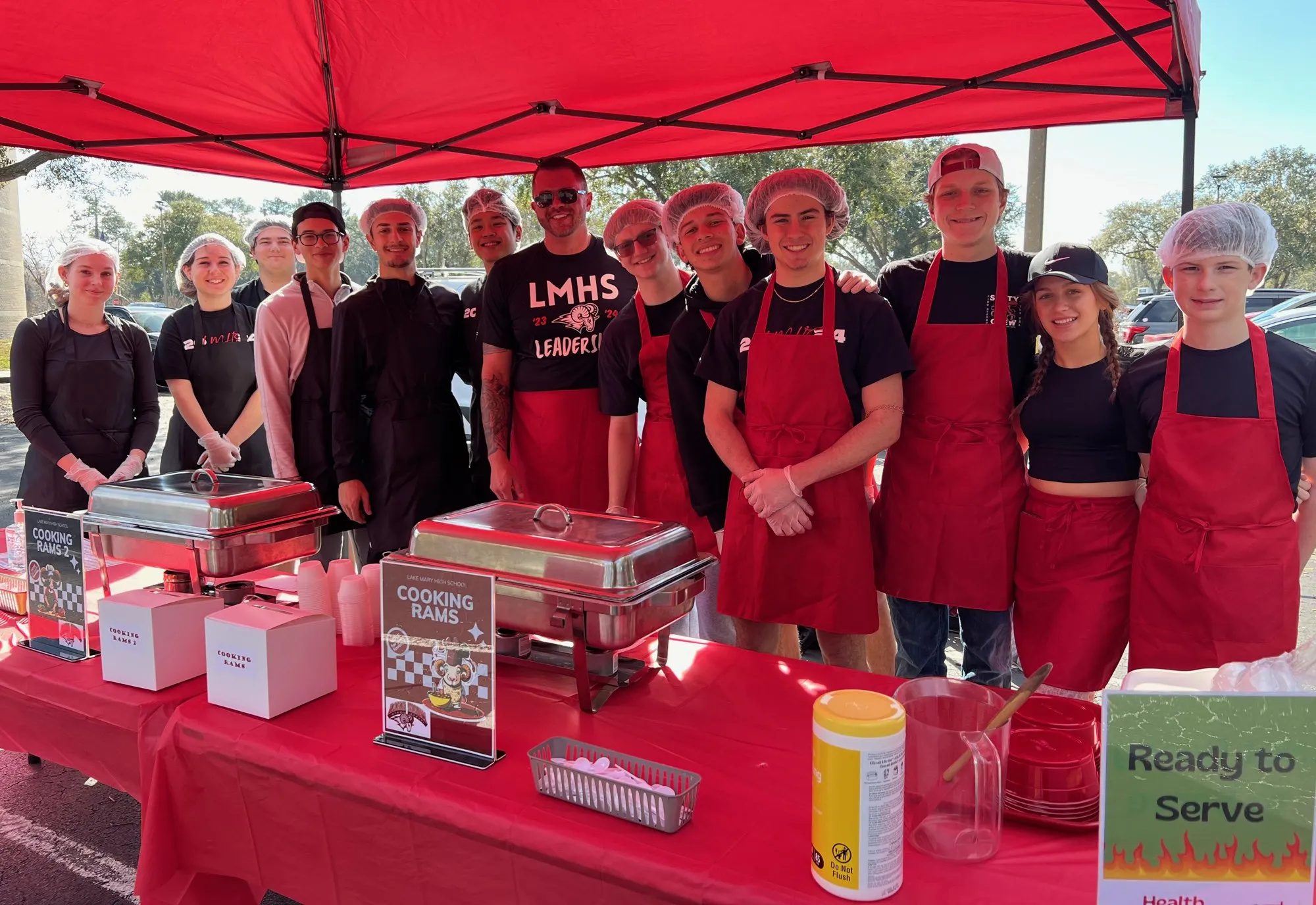
The club, ready to serve.
We kept fitting way more people into that kitchen than it was built for. I ended up organizing it the way kitchens work: everybody had a station, and every station had a job. Prep, service and close ran the same way every single time, so it didn't really matter who showed up on a given day. Everyone knew what their station was supposed to do.We also had to pay for all of this. The first event brought in $600, which honestly felt like a fortune then. After that, we sold things like $8 taco bowls out of a tent: beef or chicken, with rice, beans, salsa and cheese. By the end we’d brought in more than $5,000, and every bit went back into the program—ingredients, equipment and the stuff a broken program never gets money for. That kitchen went from basically sitting there to being full every week, and watching that happen is honestly still one of my favorite things I’ve done.
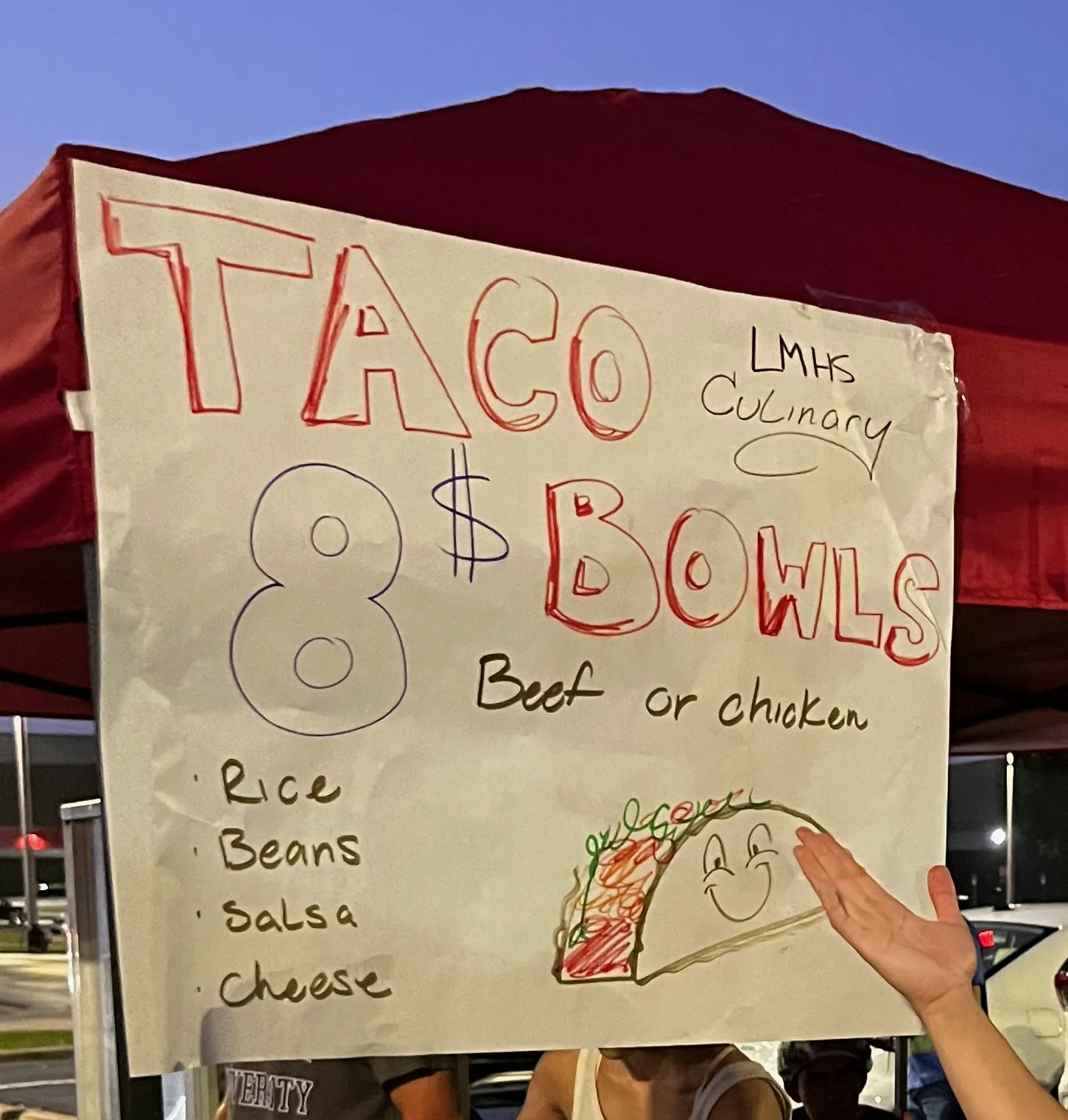
Fundraising, one taco bowl at a time.
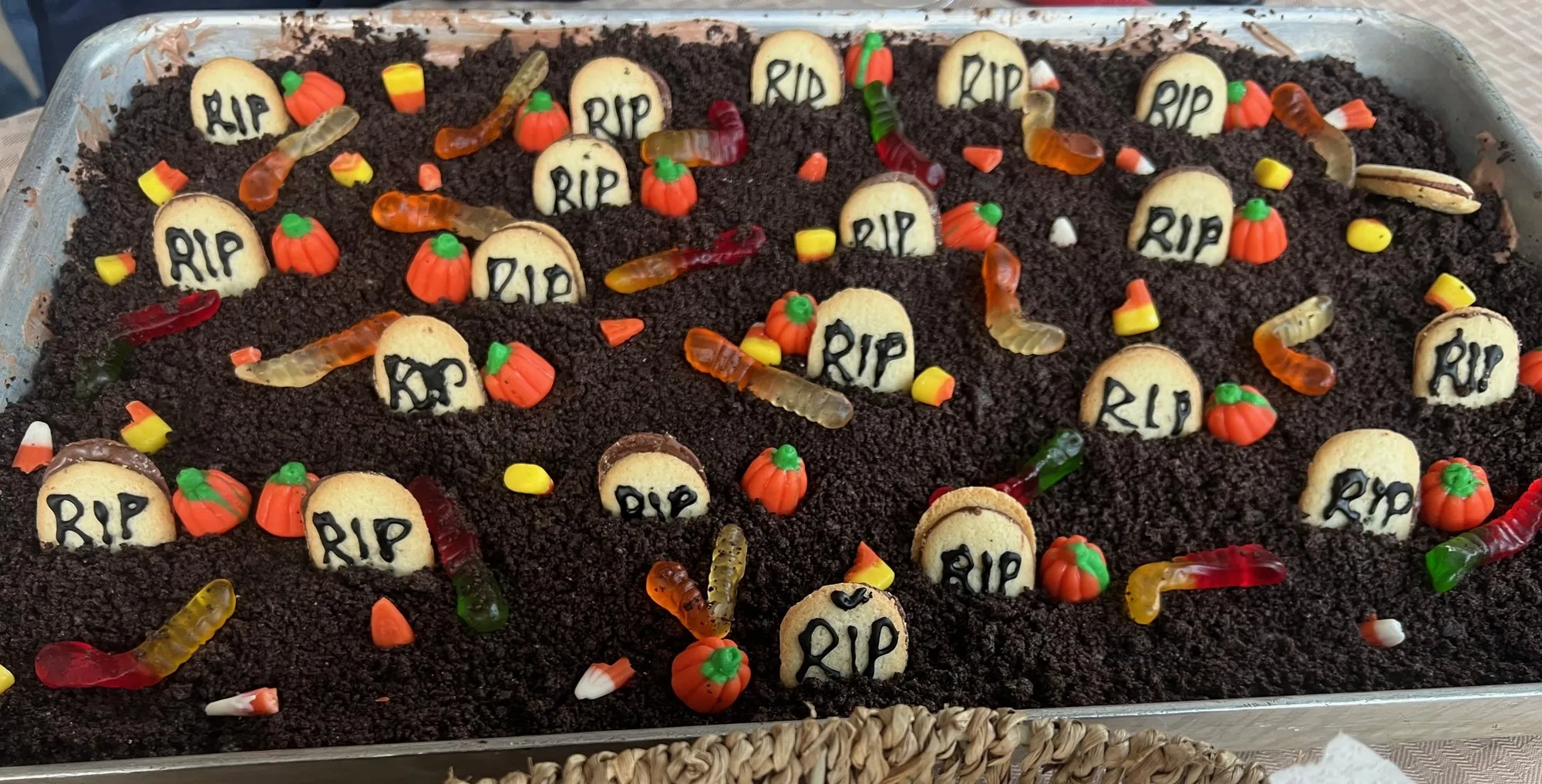
Halloween, club edition.
I wanted whoever came after me to be able to just pick it up and keep going. So when I left, I handed it off properly: the budget, the inventory, the station list and how we open and close, all written down.
What carried over
Since then, I’ve built software and led engineering teams. I don’t cook on a line anymore, but honestly, kitchens are where a lot of how I work came from.
I still get everything set up before the busy part, because once you’re in it, there’s no time. Running two kitchens at once taught me pretty quickly that everybody moves at the pace of the slowest station. That’s usually where I look first. A messy codebase slows things down the same way a messy station does, so cleaning as you go matters in code too. And the club taught me to write the steps down and hand things off properly. That’s how things keep running when I’m not there.